
When a bee suit smells of alarm pheromone
A suit that was stung heavily carries the scent of it. Your bees can smell what your eyes cannot, which is why the next visit goes worse.

A suit that has been stung heavily carries alarm pheromone — the scent a bee releases when it stings, which signals a threat to the rest of the colony. It is on the fabric, you cannot see it, and wearing the same suit unwashed to the next inspection is one reason a calm colony meets you badly.
What alarm pheromone is, and what it is not
When a honey bee stings, it releases a scent along with the sting. Other bees respond to it. That much is established, well documented, and the reason beekeepers have always said to deal with a sting quickly and move away from the hive.
What we will not tell you is how strong it is, how long it persists on a given fabric, or at what concentration bees respond — because those are measured questions and we have not measured them. If you want the research rather than practical advice, the University of Georgia Bee Program and Penn State Extension's beekeeping resources are the right sort of source.
What follows is what beekeepers consistently observe and can act on.
Why alarm pheromone lingers in a suit specifically
Three things make clothing the place it lingers.
- Fabric holds scent. Far longer than smooth surfaces, and woven cloth holds it more than smooth mesh does.
- Stings are left in it. A sting pulled free of a bee and lodged in fabric continues releasing, which is why brushing stings out of the suit matters as much as scraping them off skin.
- You wear it again. A hive tool gets scraped and a smoker gets emptied; a suit gets hung up and worn next week.
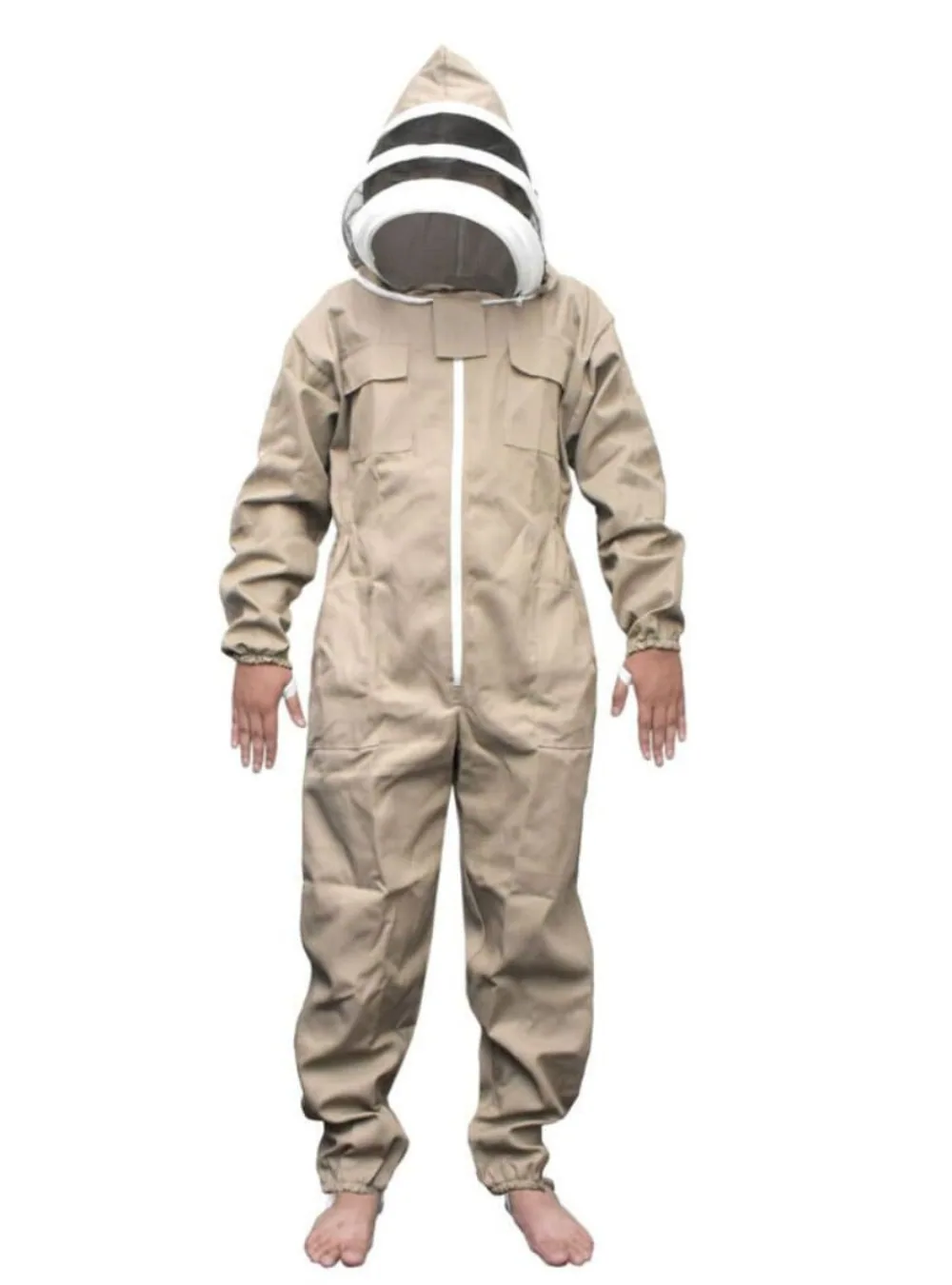
Signs you are carrying alarm pheromone
Nobody can smell it reliably, so judge by behaviour rather than by nose — and remember that late summer colonies are sharper anyway.
- A colony that was calm last week meets you at the entrance this week, with nothing else changed.
- You are getting attention before you have opened anything.
- Bees are going for your hands and sleeves specifically — where the stings landed last time.
- It happens at more than one hive on the same day, which points at you rather than at a colony.
That last one is the useful test. One bad-tempered colony is a colony. Three in a row is the beekeeper.
What to do about it
- Brush the stings out of the fabric as soon as you are clear, rather than leaving them in. Scrape sideways, the same as on skin.
- Air the suit immediately, outdoors, rather than folding it into a bag or a car boot.
- Wash it before the next visit if the visit was a heavy one. Cool, gentle, ordinary unscented detergent — washing a bee suit covers doing it without damage.
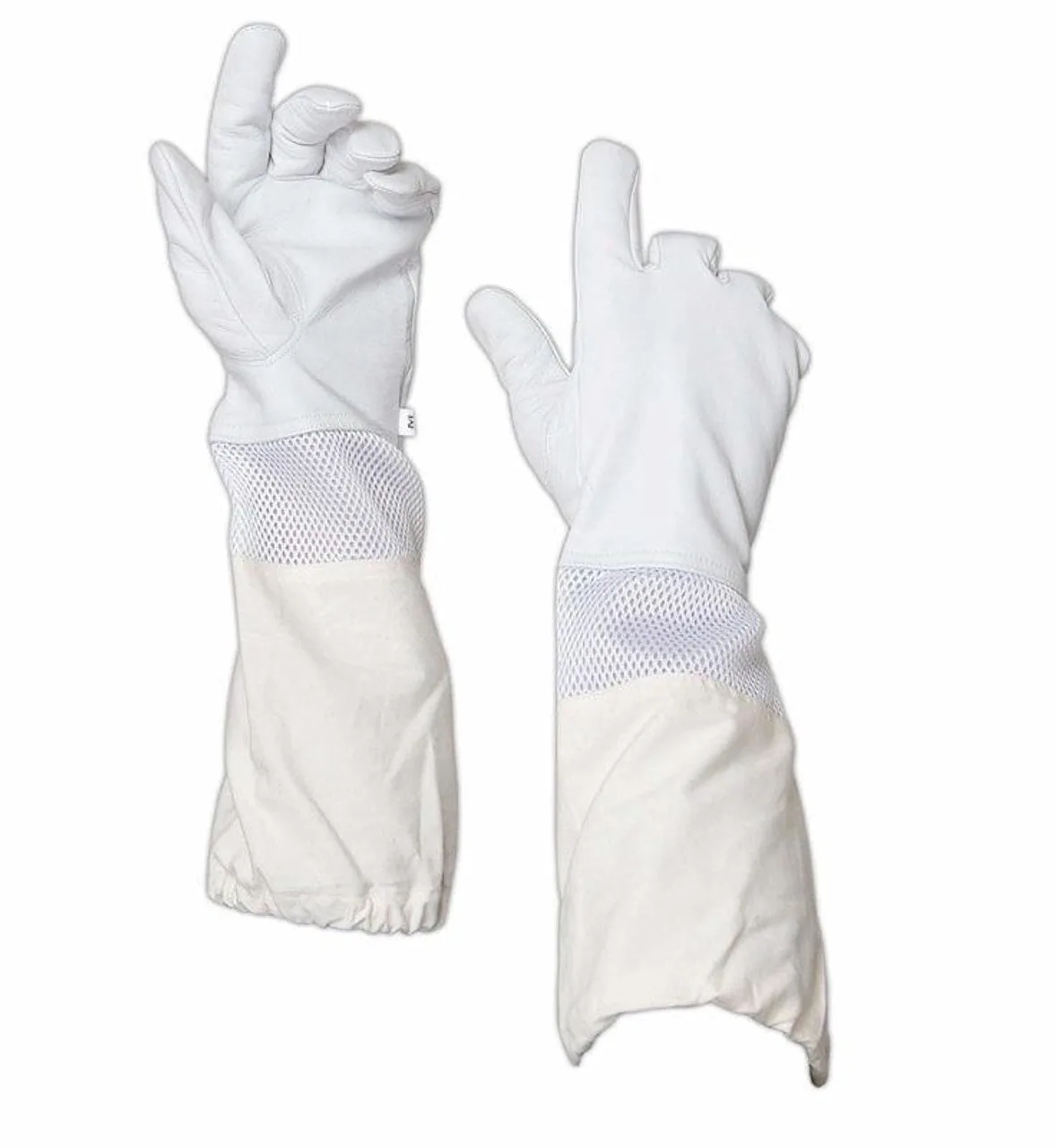
- Give the gloves the same treatment, or replace them. Leather holds scent and does not wash well — cleaning gloves is the honest limit of what is possible.
The wash that clears alarm pheromone
Cool water, gentle cycle, unscented detergent, no softener — and allow longer to dry in humid climates. Nothing unusual — the point is simply to wash rather than to air it and hope.
Resist the temptation to use something strongly scented to mask it. You are about to stand next to an animal that navigates by smell, and a heavily perfumed suit is its own problem. Unscented is not fussiness here.
And resist the hot wash. Heat is what ruins elastic and mesh bonding, and it cleans no better — laundry heat is one of the three things that end a suit.
How often to wash for alarm pheromone
Not after every visit. Washing is wear, and a suit laundered after every inspection loses cuff elastic faster than one washed when it needs it.
The rule that works: wash after a visit where you were stung more than a couple of times, after any cut-out or removal, and at the end of the season. Otherwise air it and leave it alone.
A used suit bought second-hand is the other case — wash it before the first wear whatever it looks like, because it is carrying whoever wore it last.
What else carries it
The suit is the obvious one and not the only one.
- Gloves, and worst of all. Leather holds scent and washes badly — cleaning gloves is the limit of what is possible, and replacing them is often the honest answer.
- The hive tool, which gets crushed bees on it more than anything else. Scrape it clean.
- Boots, if bees were trodden on. Rinse them.
- The bag everything lives in, which nobody washes.
- Your own skin, where a sting landed. Wash your hands and forearms.
Working through that list after a bad visit takes a few minutes and is more useful than washing the suit alone.
Smoke, and what it is for
Smoke is the traditional answer to this problem, and it is worth understanding what it is doing rather than treating it as a ritual.
It is used to mask and interrupt the scent signals a colony uses to coordinate, which is why a little at the entrance and under the crown board goes a long way. That makes it directly relevant here: a calm, correctly smoked colony produces less alarm scent in the first place, which means less of it on your suit afterwards.
How much to use, and when, is a colony-management question rather than a clothing one. Penn State's beekeeping basics and the University of Georgia Bee Program are the right sources, and both are better than a supplier on it.
The things that are not the suit
Before blaming the fabric, rule out the simpler explanations. Perfume, aftershave, scented deodorant and strongly scented laundry products all get a reaction, and all are more common causes than residual alarm pheromone.
So does the season. Colonies in late summer are larger, have honey to defend and are being robbed by wasps — that is when most stings happen, and no amount of laundry changes it.
And so does bananas, which several generations of beekeepers have been warned about. Whether the comparison holds chemically is not something we can tell you; that it is worth not eating one on the way to the apiary costs nothing either way.
Preventing it in the first place
- Work slowly and crush nothing. Most alarm scent in an apiary comes from crushed bees rather than stings.
- Look before putting a frame down.
- Deal with a sting immediately and move away from the hive — the walk-away drill exists for this.
- Keep a second suit if you work colonies regularly, so a heavily stung one can be washed and dried properly before it is needed.
Our ventilated suits wash and dry faster than woven cloth, which is a small advantage here, and gloves are the part most worth replacing rather than rescuing.